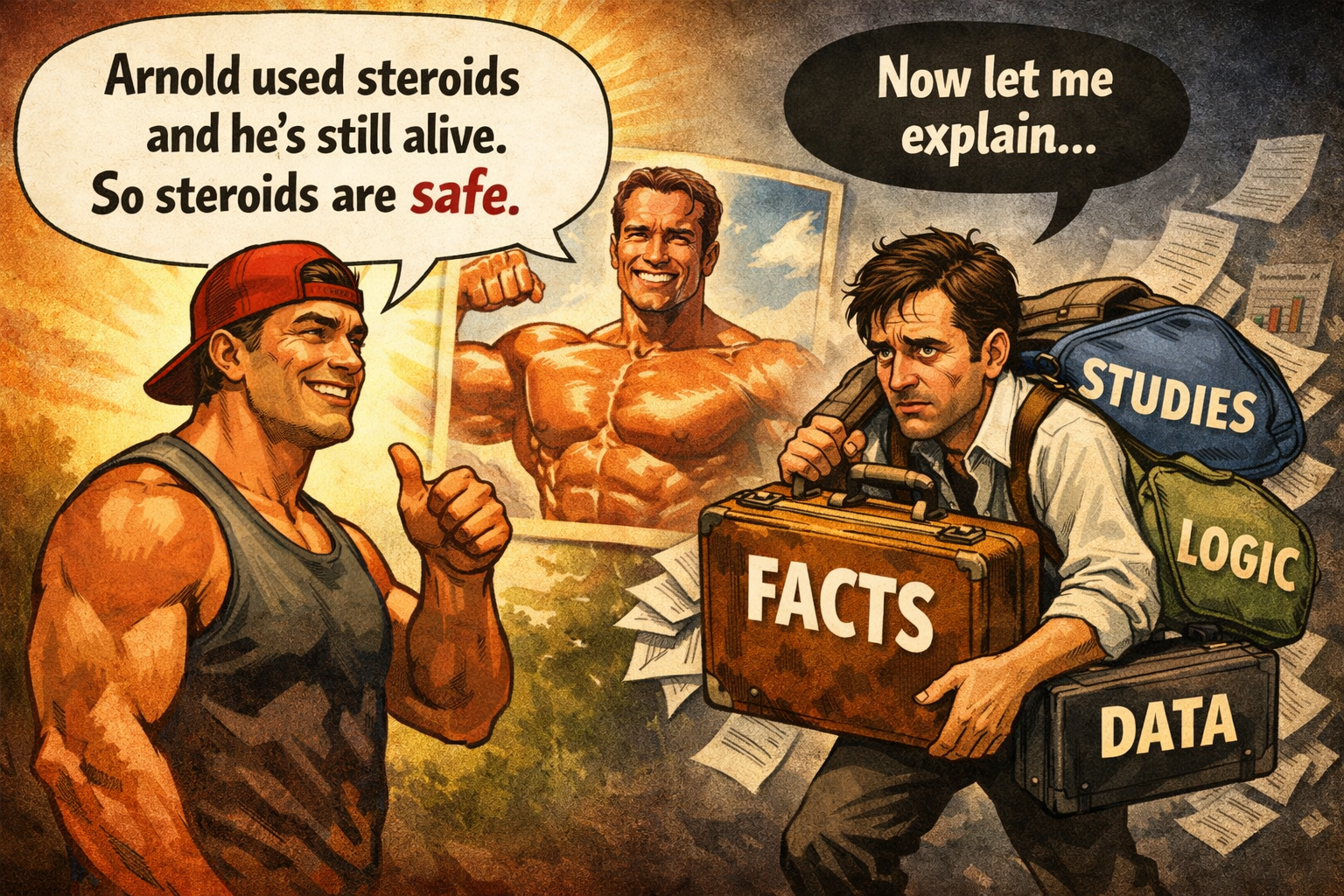
Over the years, I’ve often explained to my clients that exercise is not a single category. It broadly falls into three buckets:
- Cardio
- Strength Training (or Resistance Training), and
- Yoga / Mobility.
All three have their own benefits, and it’s a mistake to declare that one is “better” than the other. You can have your personal favourite, that’s absolutely fine! But ignoring the other two will always limit your overall health and fitness. The benefit you get from one form of exercise is usually something the others can’t give you. That’s why a balanced approach matters.
Even I have my preferences. Anyone who knows me knows that strength training is my favourite. Give me a barbell or a dumbbell any day. And yes, I’ll admit it openly – I’m not a fan of cardio. I don’t “enjoy” it. But I still include it in my routine because human physiology doesn’t care about personal preferences. Your heart needs cardiovascular conditioning whether you like cardio or not. So, even though I may grumble and make faces while doing it, I don’t avoid it.
This is where my confusion, or rather, fascination begins! I genuinely wonder how people run marathons. I know this may sound controversial, but I don’t believe marathons are the right thing to do for most people. Not because running is bad, but because too much of anything is bad – even exercise, even diet, even sleep, even amrut (the so-called elixir).
A marathon, in my view, is simply an extreme form of cardio. It pushes the body far beyond what most people are prepared for. And that’s why I say I “hate” marathons – not the people who run them, but the idea of glorifying an extreme activity as the gold standard of fitness. Now let me explain why I feel this way.
The Story of Marathon!
Most people know that the modern marathon is based on the long run, roughly 25 miles, that the Greek soldier Pheidippides is said to have taken in 490 B.C. After the Battle of Marathon, he reportedly ran from the battlefield near the town of Marathon all the way to Athens to announce that the Persians had been defeated. According to the legend, he reached the city, shouted “Niki!” (Victory!), and then immediately collapsed and died.

Now here’s the part I have never understood: why do so many people voluntarily run a distance that supposedly killed the first person who attempted it?
Of course, historians argue about how accurate this story is. But the world loved the drama, and when the modern Olympics began in 1896, organisers used this legend to create the “marathon” as a tribute to that heroic run. The distance itself wasn’t even fixed initially; it was standardised at 42.195 km much later, mainly due to logistical needs during the London Olympics.
Somewhere along the way, people started believing that the more you run, the healthier you become, as if endurance alone defines fitness. This is where the confusion begins. Running long distances may build stamina, but it doesn’t automatically improve strength, mobility, metabolic health, or joint longevity. In fact, most marathon enthusiasts end up ignoring two-thirds of what real fitness requires: resistance training and mobility work. So the marathon, at its core, was born from a story of extreme physical effort, not a model of healthy exercise. And that context makes it even more interesting that we have turned it into a symbol of fitness today.
Also, fitness is not about doing more of one thing; it’s about doing the right amount of everything that supports long-term health.
What really happens when you do marathon?
When you push the body into long-duration endurance activity, the physiology shifts in ways most people don’t fully understand. Marathon running is not just “a longer jog”; it sits deep in the aerobic zone, where the body relies mainly on oxygen to generate energy. Aerobic cardio is great when done in moderation, it improves heart health and endurance. But when it’s pushed to extremes for hours, the body starts running out of glycogen (stored carbohydrates), and that’s where trouble begins. Once glycogen drops, the body looks for alternate fuel. Ideally, it should break down fat, but fat breakdown is slow. So the body does something easier: it breaks down muscle tissue to obtain amino acids for energy. This is how excessive cardio leads to muscle loss, especially when nutrition doesn’t match the effort.
In contrast, anaerobic cardio – short bursts like sprints or HIIT uses quick, high-intensity energy pathways and doesn’t demand hours of repetitive strain. But marathons keep you in a long, steady aerobic state that eventually strains the heart, muscles, and joints.
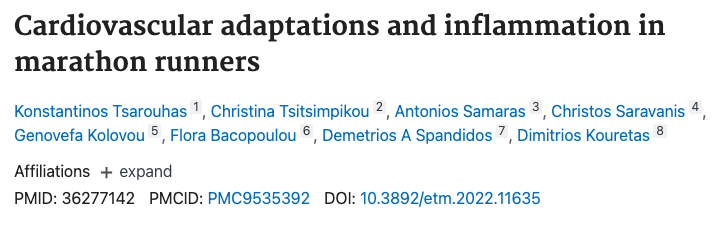
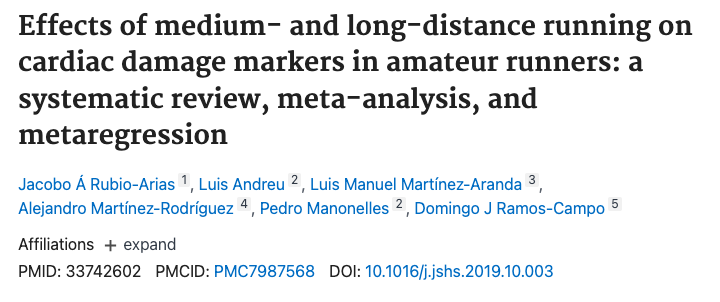
Along with muscle loss, the mechanical load of a marathon is significant. Thousands of repetitive foot strikes create cumulative wear and tear on knees and ankles. The spine, especially the lumbar region, absorbs continuous jolts, increasing the risk of lower disc injuries. Excessive endurance training elevates cortisol for long durations, causing inflammation, slower recovery, and greater injury risk.
It’s no surprise that many long-distance runners develop osteoarthritis, chronic tendon issues, or recurring back pain. Add real-life factors like poor sleep, high stress, and inconsistent training – very common among people over 30 or 40, and the risk multiplies. There have also been documented cases of cardiac events during endurance runs, especially among those above 40 or with a family history of heart disease or high cholesterol.
Better Ways to Build Real Health
If the goal is long-term health and functional fitness, and not a one-day endurance stunt, then you need a balanced routine that strengthens every system of the body. Extreme cardio cannot do that. What truly works is a mix of strength training, Zone 2 cardio, yoga or mobility work, and proper recovery! These together give you far better results than trying to push through 42+ km of repetitive impact.
Let’s start with something I strongly believe: we are designed to use our muscles! Human survival has always depended on strength. If you were walking in a forest and, say a tiger or other a wild animal appeared, your natural response wouldn’t be to outrun it! We simply can’t outrun most animals. Your instinct would be to climb a tree, grab a log or stone, or push/pull something to defend yourself. All of these require muscular strength – our basic instinct is to use muscles…..we are meant to use our muscles.
We are also descendants of monkeys, and you never see a monkey doing long-distance running for “fitness.” What you do see is a monkey doing the equivalent of pull-ups, push-ups, climbs, and swings activities that require strong upper body and core muscles. In simple terms, our biology is built for resistance training, not extreme endurance!
This is why I believe strength training is foundational. It builds muscle, improves insulin sensitivity, supports joints, strengthens bones, and protects your back and knees. No amount of running can replace this.
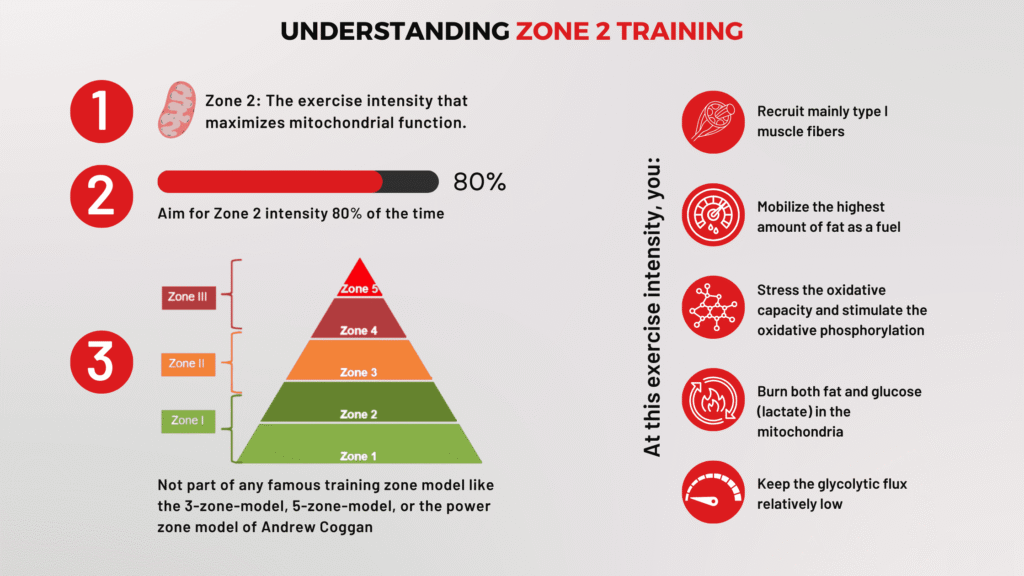
Then comes Zone 2 cardio, which is where cardio actually becomes healthy without overstressing the heart. Zone 2 means working at a level where you can still hold a conversation. It uses the aerobic energy system efficiently, improves mitochondrial function, strengthens the heart, and trains your body to use fat as fuel. It’s low-to-moderate intensity, so there is minimal inflammation and almost no risk of the wear-and-tear associated with long endurance events. Even 30–40 minutes a few times a week is enough for excellent cardiovascular health.
Mobility and flexibility keep your joints moving well, improve posture, and reduce chronic tightness from sitting all day. And then there’s recovery – sleep, nutrition, hydration, stress management. This is where actual progress happens.
A routine that integrates all four pillars gives you real, sustainable fitness: stronger muscles, healthier joints, better metabolic health, great cardiovascular capacity, and longevity. None of this requires you to run a marathon. It simply requires training in a way your body was originally designed to function.