“Da, this is Afsal. Do you remember me?”
I paused and said honestly, “Which Afsal? I know at least four Afsals.”
He laughed and said, “Your old friend from CCPLM High School.”
And just like that, something shifted. A flood of memories rushed in.
“Of course da, I remember you!!!”
He went on to tell me about a recent get-together school friends meeting after years, staying together at a resort, laughing, talking, reliving old times. He sent me a few photos on WhatsApp.
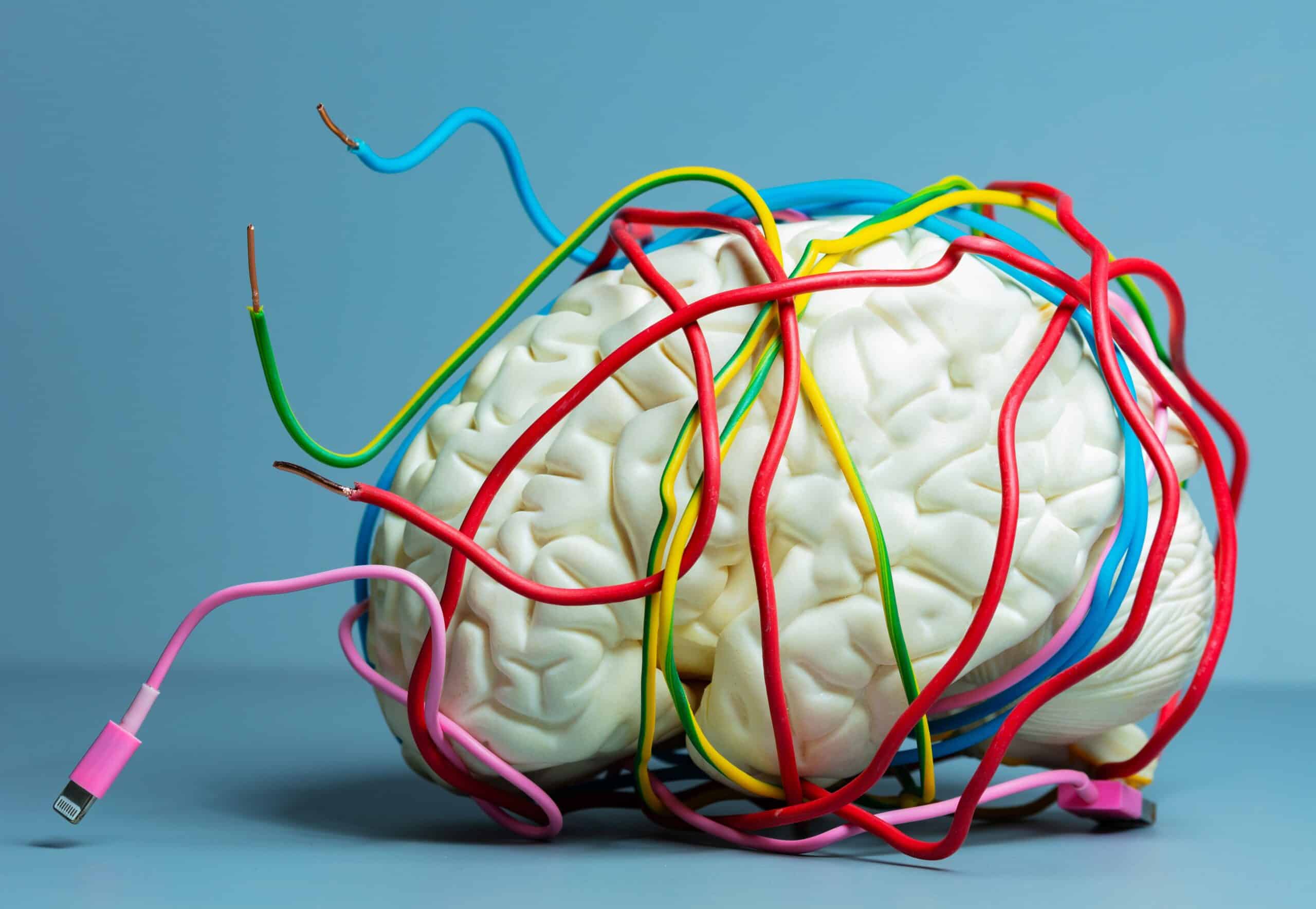
As I looked at those pictures, something strange and familiar happened. Faces I hadn’t seen in nearly 25 years suddenly felt known again. It felt like forgotten neural connections were firing back to life – memories that were always there, just quietly dormant.
What struck me later was this: moments like these don’t just make us feel good emotionally, they quietly influence our nervous system, our stress levels, and how safe the mind feels in the present.
A WhatsApp Group and a Flood of Memories
Soon after, I was added to a WhatsApp group. And that’s when something else happened.
Stories I hadn’t thought of in years, maybe decades started resurfacing. Not deliberately. They just came back.
Our school tour to Palakkad Fantasy Park. Watching Akasha Ganga at night and pretending not to be scared. The bus journey back. Me getting irritated with Soumya for dozing off on my shoulder.
Aishwarya asked – “Da, do you remember the mercury incident!?”
I was suddenly reminded of running frantically to Jasintha teacher because my gold ring had turned silver – thanks to my own stupidity of asking for mercury and holding it in my hand. I still wonder how Aishwarya managed to get that poisonous liquid in such quantity.
Then came the familiar labels – me being the padippist, the so-called complaint box, the one who kept pestering everyone. The silent crush many had on Meenu. How Ridson, once a very cute and smart guy, is now not so cute – but still very smart, and very much grown up (pun not intended!)
Seeing the bond between Adil and Afsal – a friendship that continued well beyond school was special. I even named them “Vikaram & Muthu,” after the much famed Mayavi stories of our times. And yes, I’ll admit, a little ‘kushumbu‘ did creep in too!
Teachers who shaped us. Old nicknames. Class stories. Pen fights. Small incidents that meant everything back then. All of it was spoken with so much ease, humour, and laughter. No filters. No need to impress. Just shared memory.
And somewhere between those messages and laughs, I realised something simple – I genuinely felt lighter. Almost ten years younger.
Not because life had reversed, but because the mind had briefly returned to a time when connection was effortless and stress was not yet chronic.
Social Memory and Brain Health
What I experienced over those few days is what psychology refers to as social memory – the brain’s ability to store and retrieve information linked to people, shared experiences, and emotional context.
Unlike facts or dates, social memories are stored across multiple brain networks. They involve memory, emotion, and sensory processing working together. That’s why a name, a face, or even a casual joke can suddenly unlock a detailed memory from decades ago.
From a brain health perspective, this kind of recall is significant. When old social memories are reactivated, multiple neural circuits are engaged at the same time. This isn’t passive remembering – it’s active neural stimulation. In simple terms, the brain is being exercised.
There is also a stress-related angle to this. Familiar social memories are usually associated with safety and belonging. When these memories resurface, the nervous system tends to shift away from constant alertness. Heart rate slows slightly, muscle tension reduces, and the mind becomes less guarded.
This is one reason why reconnecting with old friends often leaves us feeling lighter and mentally refreshed. It’s not just emotional warmth, it’s a temporary improvement in how the brain and nervous system function together.
In an age where cognitive health is discussed mainly in terms of puzzles, supplements, or productivity hacks, we often overlook something basic – the brain evolved to stay healthy through connection!

Why Men Struggle to Maintain Friendships
As men grow older, friendships often become collateral damage. Not because the bond weakens, but because life quietly gets in the way.
Psychologically, many male friendships are built around shared activity rather than emotional expression. School, sports, travel, or work create natural proximity. Once those structures disappear, the friendship requires conscious effort – something most men are never taught to prioritise. There is also the issue of role overload. Careers, financial responsibility, marriage, parenting, and social expectations leave very little space for maintaining non-functional relationships. Friendships that don’t “serve a purpose” are often the first to be neglected.
Another factor is emotional conditioning. Many men are raised to manage stress privately. There is this constant social pressure to “Man up“! Sharing vulnerability feels uncomfortable, sometimes even unnecessary. Over time, communication reduces to occasional updates rather than meaningful connection.
Dangerous enough – this silence is often mistaken for independence. In reality, it can lead to emotional isolation which is a known risk factor for anxiety, low mood, poor sleep, and even cardiovascular issues. This is why reunions feel disproportionately powerful for men, than women. They momentarily restore a form of connection that existed before responsibilities took over, when friendships were effortless and did not need explanation.
Maintaining friendships is not a social luxury. From a health perspective, it functions as emotional regulation, stress buffering, and psychological resilience.
And yet, it remains one of the most ignored aspects of men’s health.
A Quiet Health Lesson from an Old Reunion
Meeting my school friends after so many years didn’t change my routine, my work, or my responsibilities. Life continued exactly as before.
But something inside felt different.
For a brief period, the mind was less guarded. Laughter came easier. The body felt relaxed without effort. That experience reinforced something we rarely acknowledge in adult health conversations – friendship is not just social, it is preventive.
After the age of 35, mental health challenges are rarely dramatic. They are subtle. Emotional fatigue. Reduced joy. Chronic stress that feels normal. In that context, friendships act quietly, buffering stress and restoring perspective without needing labels or interventions.
That reunion, the messages, the shared memories – they reminded me that mental well-being is not built only through discipline, therapy, or lifestyle protocols. Sometimes, it’s restored by connection with people who knew us before life became complicated.
And perhaps that’s the simplest takeaway: staying mentally healthy isn’t always about adding something new. Sometimes, it’s about reconnecting with something old.
When we met at Sunu’s house warming, Soumya asked me – “Da, do you remember our school prayer — Bind us together Lord, bind us together with love?”
I do! But, this time, it landed differently!